Via_Pasteria / Kitchen /
Seasonal
Recipes
Choose your
favorite seasonal recipe
- Conchigliette with potato cream, mussels, confit tomatoes and Silano provolone fondue
- Paccheri Amatriciana with Piennolo DOP tomatoes, seasoned Roman guanciale and pecorino Romano DOP fondue
- Linguini with roasted porcini mushrooms, saffron, Gorgonzola DOP fondue and toasted wallnuts
- Seafood linguine with mussels, clams, confit cherry tomatoes, crusco pepper breadcrumbs, and scampi tartare
Shopping list
Conchigliette
with potato cream, mussels, confit tomatoes and Silano provolone fondue

Extra virgin olive oil with garlic and chili pepper
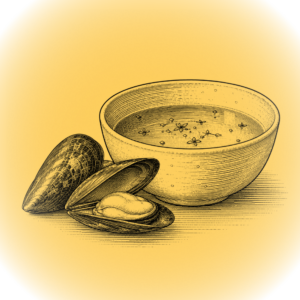
Mussels with broth

Conchiglietta
Superior durum wheat semolina
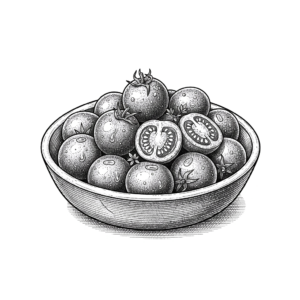
Confit tomatoes
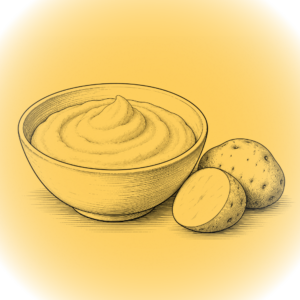
Potato cream
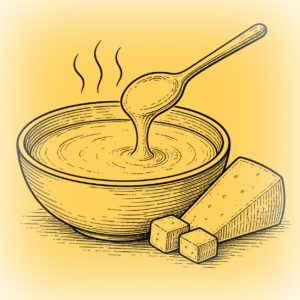
Silano provolone fondue

Description
Conchigliette
with potato cream, mussels, confit tomatoes and Silano provolone fondue
Potatoes, mussels and a smoky note of cheese.
Shell pasta coated in a soft, delicate potato cream, with mussels and confit cherry tomatoes. A Provolone Silano cheese sauce completes the dish with an intense savory note, bringing together the sea, sweetness and cheese.
Did you know
Inside the recipe
Because our ingredients have a story to tell
The tuber that crossed the ocean
Before becoming one of the most familiar ingredients in European cuisine, the potato travelled from the Andes to the Old Continent.
Originally from South America, it reached Europe in the second half of the 16th century through the Spanish. At first it was regarded mainly as a botanical curiosity, only later becoming a central part of the European diet.
Did you know
In Italy, between the late 16th and early 17th centuries, the potato was also known as “tartuffolo”, probably because its tubers resembled truffles.
In brief
Arrived in Europe in the 16th century
Initially cultivated as a botanical curiosity
Became widespread as food from the 17th century
Once known as “tartuffolo” in Italy
Anchored to the sea
Mussels do not simply live in the water: they attach themselves firmly to their surroundings through extremely fine natural threads.
The Mediterranean mussel is a bivalve mollusc that lives in large communities and feeds by filtering seawater. To remain attached to rocks and other surfaces, it produces the byssus, a group of strong fibres that allows it to withstand currents.
Did you know
At the end of the 18th century, the Gulf of Taranto saw the development of the suspended mussel-farming technique, a system that would later become one of the methods used in modern mussel cultivation.
In brief
Mediterranean bivalve molluscs
Live together in colonies
Feed by filtering seawater
Attach themselves through the byssus
Part of a long Italian mussel-farming tradition
Time concentrates the flavour
With confit, heat does not overwhelm the tomato: it transforms it slowly, concentrating its aromas, sweetness and texture.
The tomatoes are cooked for a long time at low temperature, generally with oil, herbs and a small amount of sugar. During cooking they gradually lose some of their water, developing a softer texture and a more concentrated flavour.
Did you know
The word confit comes from the French confire, meaning “to preserve”. The term originates from ancient preservation techniques and was later extended to the slow cooking of fruit and vegetables.
In brief
Slowly cooked at low temperature
Gently dehydrated during cooking
Soft and intense in flavour
Prepared with oil and aromatics
“Confit” comes from the French for “to preserve”
From solid cheese to a creamy pour
A firm stretched-curd cheese can completely change its texture when transformed into a smooth, flowing sauce.
Provolone belongs to the stretched-curd family of cheeses. During production, the curd is made elastic and mouldable, developing the characteristic structure associated with this longstanding cheesemaking tradition. Its flavour can range from sweeter notes to more pronounced ones depending on processing and ageing.
Did you know
The name “provolone” developed as an augmentative of provola, a term associated with the large family of stretched-curd cheeses historically widespread especially in Southern Italy.
In brief
Stretched-curd cheese
Firm and elastic texture
Traditionally made from cow’s milk
Can develop sweet or more intense notes
The nutritionist says
A good option for those facing a long working day, thanks to its high satiating power.
Potato
especially when cooled, is an excellent food for nourishing the intestinal flora and is highly satiating. Rich in vitamin C and potassium, it is also very nutritious.
Mussels
provide many minerals, protein and Omega-3.
Provolone Silano
is rich in calcium, phosphorus and vitamin B12. As a protein, it helps make the dish more satiating and balanced.
Shopping list
Paccheri Amatriciana
with Piennolo DOP tomatoes, seasoned Roman guanciale and pecorino Romano DOP fondue
Extra virgin olive oil with garlic and chili pepper
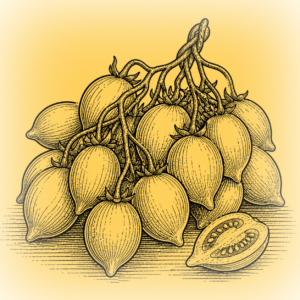
Piennolo DOP Tomatoes
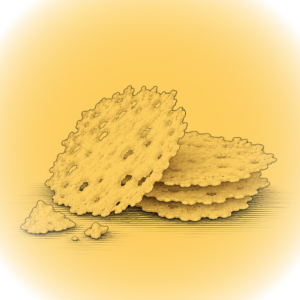
Pecorino crisp

Pacchero
Farina di farro
Cooked guanciale

Grated pecorino

Cream Elle&Vire

Description
Paccheri Amatriciana
with Piennolo DOP tomatoes, seasoned Roman guanciale and pecorino Romano DOP fondue
Tomato, guanciale and pecorino: Rome on a plate.
Piennolo DOP tomato and aged Roman guanciale, rich and crispy. A Pecorino Romano DOP fondue completes the dish with an intense, creamy finish.
Did you know
Inside the recipe
Because our ingredients have a story to tell
The tomato born from a volcano
There is a small tomato that grows on the slopes of Mount Vesuvius, where volcanic soil and strong temperature variations shape a fruit with intense and distinctive character.
The Piennolo del Vesuvio tomato is recognizable by its elongated oval shape with a pointed tip. Its skin is thick and firm, the flesh compact and highly aromatic. The flavor balances pronounced sweetness with a distinctive acidic finish, due to its high concentration of sugars and organic acids. The lava-rich soil, abundant in potassium and sulfur, gives the fruit its natural mineral savoriness and vibrant deep red color.
Its introduction to Campania dates back to 1759, when the Viceroy of Peru presented it to King Ferdinand IV of Naples at his coronation. Planted on the slopes of Vesuvius, it adapted perfectly to the environment and developed the qualities that today make it one of Italy’s gastronomic excellences. In 2009 it received DOP status, guaranteeing its authenticity.
Did you know
The name “piennolo” comes from the traditional practice of tying the tomato clusters into hanging bunches. According to legend, the custom began with fishermen’s wives who, accustomed to weaving fishing nets, started intertwining tomato branches as well.
In brief
Grown exclusively in the Vesuvian area
Volcanic soil rich in minerals
Natural balance of sweetness and acidity
DOP status since 2009
Traditionally stored in woven hanging clusters
The cut that defines Amatriciana
Guanciale comes from the pig’s cheek, a cut in which fat and lean meat create a structure quite different from pancetta.
The curing process involves salting and ageing, during which the guanciale develops texture, aroma and intensity. In Amatriciana, the fat released during cooking becomes an integral part of the sauce.
Did you know
The specification for traditional Amatriciana requires guanciale made from the pig’s cheek, trimmed into its characteristic triangular shape and aged for at least 30 days after salting.
In brief
Made from pork cheek
Salted and aged
A fundamental ingredient in Amatriciana
Naturally releases its fat during cooking
An ancient cheese, not only from Rome
Its name carries a history stretching back thousands of years, but today the production area of Pecorino Romano DOP extends well beyond Lazio.
Made from whole sheep’s milk, Pecorino Romano DOP is a hard cheese with an aromatic, savoury flavour that becomes progressively more intense with ageing. Its production follows strict specifications governing the origin of the milk, processing and maturation.
Did you know
Despite its name, Pecorino Romano DOP can be produced in Lazio, Sardinia and the province of Grosseto in Tuscany, the areas established by its production specification.
In brief
Made from sheep’s milk
Hard cheese
Aromatic and savoury flavour
Produced in Lazio, Sardinia and the province of Grosseto
Used both as a table and grating cheese
The nutritionist says
A rich and structured dish combining the carbohydrates in pasta with protein and fats from guanciale and Pecorino Romano, complemented by the vegetable component of tomato.
Pomodorino del Piennolo DOP
tomatoes provide vitamin C and lycopene, a carotenoid naturally found in red tomatoes. Cooking makes lycopene more available to the body.
Aged Roman guanciale
provides protein and fats, contributing to the energy content and satiating quality of the recipe.
Pecorino Romano DOP
adds protein and calcium and, together with guanciale, completes the protein component of the dish.
Shopping list
Linguini with roasted porcini mushrooms
saffron, Gorgonzola DOP fondue and toasted wallnuts

Butter
Vegetable Broth

Saffron dust

Linguina
Double-milled durum wheat semolina
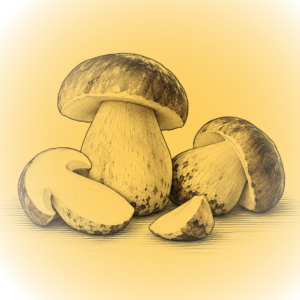
Porcini mushrooms

Grana Padano DOP
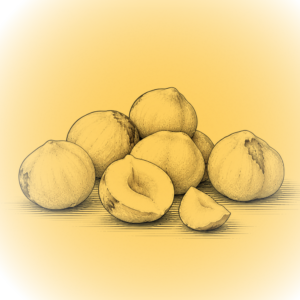
Toasted wallnuts
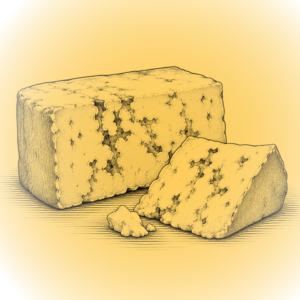
Gorgonzola DOP

Description
Linguini with roasted porcini mushrooms
saffron, Gorgonzola DOP fondue and toasted wallnuts
The forest meets saffron.
Saffron linguine with roasted porcini mushrooms*, rich and meaty, coated in a Gorgonzola DOP fondue. Toasted walnuts add crunch and a warm note, completing a rich, autumnal dish.
Did you know
Inside the recipe
Because our ingredients have a story to tell
The forest, on the plate
Porcini grow in woodland in symbiosis with trees, linking their life cycle to the trees’ roots.
Among the most prized mushrooms in Italian cuisine, Boletus edulis grows mainly in woodland and is recognisable by its fleshy cap, robust stem and firm white flesh. Its aroma and texture make it suitable for intense cooking methods such as roasting, as well as for drying.
Did you know
There are no gills underneath a porcino cap: its underside is formed by a dense network of tiny tubes ending in small pores.
In brief
Grows in woodland during summer and autumn
Fleshy cap and robust stem
Intense, aromatic flavour
Pores rather than gills beneath the cap
Three threads inside every flower
Behind just a few strands of saffron lies painstaking work: the spice is obtained exclusively from the flower’s stigmas.
Saffron comes from Crocus sativus, a small purple flower containing three red-orange stigmas. These are collected and dried to produce the spice, giving dishes its characteristic aroma and intense yellow colour.
Did you know
Each flower produces only three stigmas, and harvesting them requires extremely careful work: this concentration of raw material and craftsmanship helps make saffron one of the world’s most precious spices.
In brief
Obtained from Crocus sativus
Each flower contains three stigmas
Stigmas are harvested and dried
Intense, slightly bitter aroma
Gives dishes their characteristic yellow colour
Created by air
The blue-green pattern of Gorgonzola is more than a visual feature: it develops as the cheese matures.
Gorgonzola DOP is a blue cheese made with whole pasteurised cow’s milk, lactic cultures and selected moulds. During ageing, its characteristic veins develop through the creamy paste and help define its distinctive flavour.
Did you know
After around three weeks, the wheels are pierced with large metal needles. Air enters the cheese and allows the cultures already present inside to develop, creating Gorgonzola’s characteristic blue-green veins.
In brief
Italian blue cheese
Made from cow’s milk
Protected by DOP status since 1996
Veins develop during ageing
The cheese is pierced to allow air inside
From woodland to roasting
The hazelnut is the seed of Corylus avellana, a plant that grows naturally across much of Europe and has been cultivated in Italy for centuries.
Protected first by a leafy husk and then by its characteristic shell, hazelnuts can be eaten fresh or dried. Roasting significantly transforms their aromatic profile, intensifying both fragrance and crunch. In Italy, hazelnut cultivation is particularly associated with areas such as Viterbo, Avellino and Mount Etna.
Did you know
The botanical name Corylus avellana preserves a direct reference to Avella, an area in Campania historically associated with hazelnut cultivation and from which the Latin term avellana derives.
In brief
Fruit of Corylus avellana
Grows naturally across Europe
Historically cultivated in several Italian regions
Protected by a leafy husk and hard shell
Roasting intensifies aroma and crunch
The nutritionist says
A good option for those who do a lot of physical activity: a flavourful, filling and nutritious autumn dish.
Porcini mushrooms
rich in B vitamins and minerals such as phosphorus and potassium. They are also one of the few plant sources of vitamin D, which supports the immune system and is particularly useful during the colder seasons, when exposure to sunlight decreases.
Walnuts
a source of Omega-3 and vitamins E and B, they are beneficial for the heart and brain and help slow the absorption of carbohydrates into the bloodstream.
Gorgonzola
is a protein-rich food and a particularly digestible cheese thanks to its fermentation process, helping make the pasta dish more balanced.
Saffron
thanks to its antioxidant and anti-inflammatory properties, it supports the nervous system and helps reduce stress.
Shopping list
Seafood linguine with mussels
clams, confit cherry tomatoes, crusco pepper breadcrumbs, and scampi tartare
Mussels
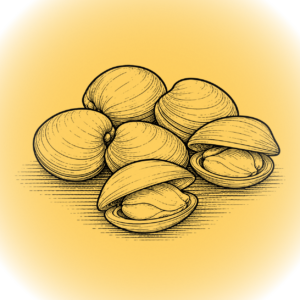
Clams
Linguina
Double-milled durum wheat semolina
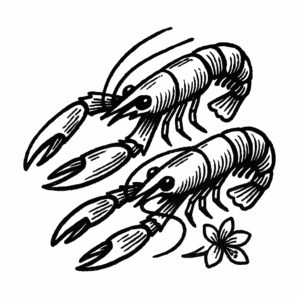
Scampi tartare
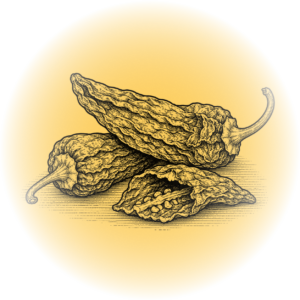
Crusco pepper breadcrumbs
Confit tomatoes

Description
Seafood linguine with mussels
clams, confit cherry tomatoes, crusco pepper breadcrumbs, and scampi tartare
The sea, with a crisp finish.
Linguine with mussels and clams, confit tomatoes, and scampi tartare. A crusco pepper crumb adds crunch and intensity, while the raw scampi keeps the dish fresh and delicate.
Did you know
Inside the recipe
Because our ingredients have a story to tell
Anchored to the sea
Mussels do not simply live in the water: they attach themselves firmly to their surroundings through extremely fine natural threads.
The Mediterranean mussel is a bivalve mollusc that lives in large communities and feeds by filtering seawater. To remain attached to rocks and other surfaces, it produces the byssus, a group of strong fibres that allows it to withstand currents.
Did you know
At the end of the 18th century, the Gulf of Taranto saw the development of the suspended mussel-farming technique, a system that would later become one of the methods used in modern mussel cultivation.
In brief
Mediterranean bivalve molluscs
Live together in colonies
Feed by filtering seawater
Attach themselves through the byssus
Part of a long Italian mussel-farming tradition
Time concentrates the flavour
With confit, heat does not overwhelm the tomato: it transforms it slowly, concentrating its aromas, sweetness and texture.
The tomatoes are cooked for a long time at low temperature, generally with oil, herbs and a small amount of sugar. During cooking they gradually lose some of their water, developing a softer texture and a more concentrated flavour.
Did you know
The word confit comes from the French confire, meaning “to preserve”. The term originates from ancient preservation techniques and was later extended to the slow cooking of fruit and vegetables.
In brief
Slowly cooked at low temperature
Gently dehydrated during cooking
Soft and intense in flavour
Prepared with oil and aromatics
“Confit” comes from the French for “to preserve”
Un formaggio che attraversa i secoli
C’è un formaggio che da oltre otto secoli viene prodotto con gli stessi gesti, negli stessi luoghi, trasformando il latte in una delle espressioni più alte della cultura casearia italiana.
Il Parmigiano Reggiano DOP nasce nei monasteri benedettini e cistercensi della Pianura Padana nel Medioevo. È un formaggio completamente naturale, ottenuto da latte vaccino senza l’uso di additivi o conservanti. La lavorazione segue ancora oggi metodi tradizionali, con una lunga stagionatura che ne sviluppa struttura e complessità aromatica.
Nella versione da Vacche Rosse di Razza Reggiana, il latte presenta caratteristiche particolari che favoriscono una migliore resa e una maggiore predisposizione alla lunga stagionatura. Il risultato è un formaggio dalla grana elastica e fine, con un sapore dolce, persistente e armonico, anche oltre i 24 mesi.
Lo sapevi che
La Razza Reggiana, dal tipico mantello rosso, era già presente nelle campagne emiliane nel Medioevo e il suo latte fu tra i primi utilizzati per produrre il Parmigiano Reggiano. In alcune rappresentazioni rinascimentali compare persino accanto alla Sacra Famiglia.
In breve
Origini medievali nei monasteri della Pianura Padana
Latte vaccino lavorato secondo metodi tradizionali
Versione Vacche Rosse con migliore resa casearia
Stagionatura minima 24 mesi
Sapore dolce, persistente e complesso
Formaggio naturale senza conservanti
The crunch of Lucanian tradition
“Crusco” does not describe a pepper variety, but the texture it develops after drying and a very quick passage through hot oil.
A symbol of Lucanian cuisine, peperone crusco starts with thin-fleshed peppers that are dried and then immersed in oil for just a few seconds. This is what gives them their brittle, crunchy texture: in the local dialect, crusco means precisely “crisp”.
Did you know
Before drying, the peppers are traditionally threaded together with needle and string to form long garlands known as serte, which are then hung in ventilated spaces.
In brief
A tradition from Basilicata
Dried before cooking
Crisped with a few seconds in hot oil
“Crusco” means crisp
Traditionally dried in "serte"
A crustacean from the seabed
The langoustine lives on the seabed and belongs to the same zoological family as the lobster.
Nephrops norvegicus is a decapod crustacean with an elongated body and characteristic large claws. It is found in the eastern Atlantic and the Mediterranean and generally lives on muddy seabeds, sometimes at considerable depths.
Did you know
The scientific name Nephrops comes from the Greek words for “kidney” and “eye”, referring to the distinctive kidney-like shape of the langoustine’s eyes.
In brief
Decapod crustacean
Species Nephrops norvegicus
Found in the Atlantic and Mediterranean
Lives mainly on muddy seabeds
Characterised by large claws
La nutrizionista dice
An excellent option for those returning to the office, designed to nourish both mind and body.
Mussels and clams
containing protein and beneficial Omega-3 fats
Tomatoes
especially when cooked, release lycopene, a powerful antioxidant that protects the body’s cells.
Scampi
are rich in B vitamins and minerals, but should be consumed in moderation because they contain significant amounts of cholesterol and sodium.