Via_Pasteria / Kitchen /
Seasonal
Recipes
Choose your
favorite seasonal recipe
- Conchigliette with cave-aged pecorino, confit tomatoes, Cerignola olives, Sicilian lemon, and crusco peppers
- Pacchero alla Norma with marinated purple eggplants, Parmigiano Reggiano Vacche Rosse 24 months, and salted ricotta
- Linguine with clams, Sicilian lemon, mullet bottarga, and chives
- Linguine with organic Parmigiano, Sicilian lemon, chives, and sturgeon caviar
Shopping list
Conchigliette
with cave-aged pecorino, confit tomatoes, Cerignola olives, Sicilian lemon, and crusco peppers
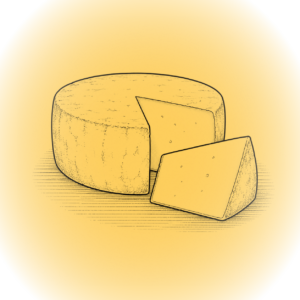
Cave-aged pecorino
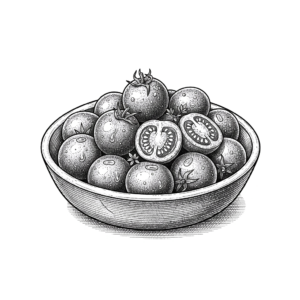
Confit tomatoes

Conchiglietta
Chickpea flour and double-milled semolina
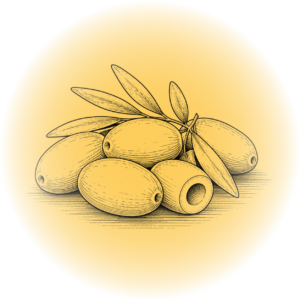
Cerignola olives
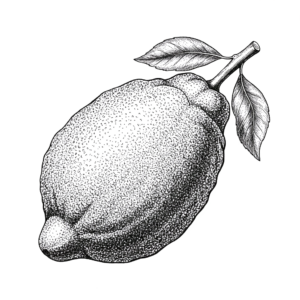
Sicilian lemon
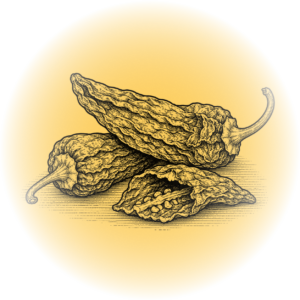
Crusco peppers

Description
Conchigliette
with cave-aged pecorino, confit tomatoes, Cerignola olives, Sicilian lemon, and crusco peppers
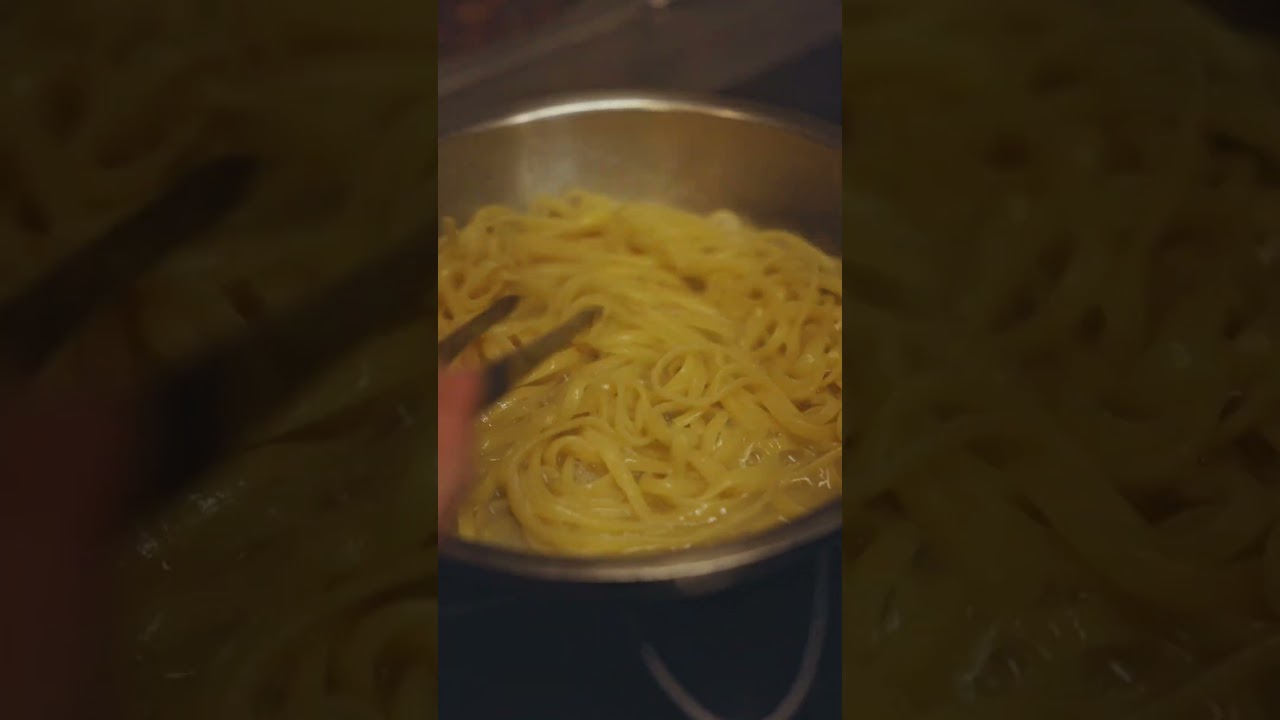
Cold shell pasta with cave-aged pecorino, confit cherry tomatoes, and Cerignola olives.
Sicilian lemon brings freshness, while crispy crusco pepper adds an intense, crunchy finish. A summery dish with balance and vibrant contrasts.
Did you know
Inside the recipe
Because our ingredients have a story to tell
The crunch of Lucanian tradition
It is not a variety of pepper, but the result of a process that transforms thin flesh into a delicate, crisp sheet..
Once dried, the pepper is immersed in hot oil for just a few seconds. This rapid step enhances its natural sweetness and creates its distinctive crunchy texture. The Lucanian word crusco refers precisely to this quality, now one of the most recognisable elements of Basilicata’s cuisine.
Did you know
During drying, the peppers are traditionally joined together with needle and thread to create long garlands known as serte. They can reach two metres in length and are hung in well-ventilated rooms.
In brief
A tradition from Basilicata
Naturally dried before cooking
Sweet, aromatic and brittle
Crisped with a rapid passage in hot oil
Traditionally dried in long serte
Character shaped by time
The cave does more than protect the cheese: it slowly guides its transformation.
During ageing, the pecorino matures in a natural environment with stable conditions. Time and microclimate influence both rind and paste, creating a firmer, more crumbly texture and a deeper aromatic profile. Different ageing environments can produce remarkably different sensory characteristics.
Did you know
Cave ageing also began as a practical solution before mechanical refrigeration: underground spaces naturally offered suitable conditions for storing and maturing cheese.
In brief
Made from sheep’s milk
Aged in natural environments
Firm and crumbly texture
Intense, persistent aroma
The large olive from the Tavoliere
An Apulian variety immediately recognisable for its generous size and abundant flesh.
Olive di Cerignola originate in the Tavoliere delle Puglie and belong to the Bella di Cerignola variety. These elongated table olives have a firm texture and a delicate flavour, allowing them to remain clearly identifiable even within a complex recipe.
Did you know
Bella di Cerignola is the name of the olive variety, while La Bella della Daunia DOP is the protected designation reserved for olives produced and processed within the area defined by its specification.
In brief
Originating from the Cerignola area
A particularly large table olive
Firm texture
Delicate, balanced flavour
The fragrance of a landscape
In Sicily, lemons did not simply find an ideal climate: they helped reshape fields, gardens and entire landscapes.
Citrus cultivation has been part of the island’s agricultural history for centuries, supported by irrigation methods developed during Arab rule. By the 19th century, lemons had become one of the most important crops of the Conca d’Oro, transforming the countryside surrounding Palermo into an expanse of citrus groves.
Did you know
During the 19th century, the lemon was the most important agricultural species in the Conca d’Oro. The expansion of citrus groves became so extensive that it profoundly changed the landscape surrounding Palermo.
In brief
Cultivated in Sicily for centuries
Closely linked to the island’s citrus tradition
Peel rich in fragrance and essential oils
Fresh, aromatic acidity
Balances savoury and aged ingredients
The nutritionist says
A fresh and flavourful dish characterised by plant-based protein, vitamins, monounsaturated fats, calcium and protein.
Durum wheat semolina with 20% chickpea flour
creates a pasta with a high protein content and is an excellent source of plant-based protein.
Pepper and tomatoes
are both rich in vitamin C and release even more nutrients when cooked.
Olives
are rich in monounsaturated fatty acids, which support cardiovascular health, and vitamin E, a powerful antioxidant that helps protect the immune system and the skin.
Pecorino and lemon
pecorino is rich in calcium and protein; when paired with lemon, it is easier to digest and helps maintain a feeling of fullness for longer.
Shopping list
Pacchero alla Norma
with marinated purple eggplants, Parmigiano Reggiano Vacche Rosse 24 months, and salted ricotta
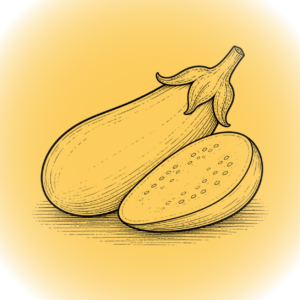
Purple eggplant
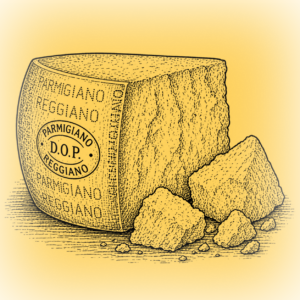
24 months aged Parmigiano Reggiano “Red Cows” version

Pacchero
Spelt flour
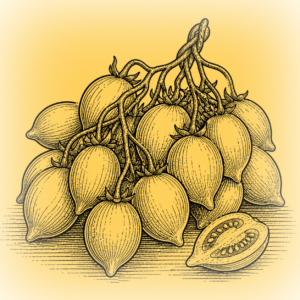
Tomato sauce
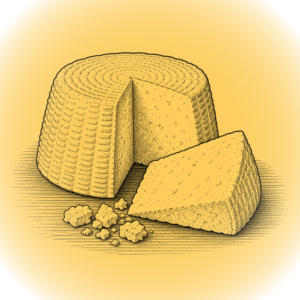
Salted ricotta

Description
Pacchero alla Norma
with marinated purple eggplants, Parmigiano Reggiano Vacche Rosse 24 months, and salted ricotta
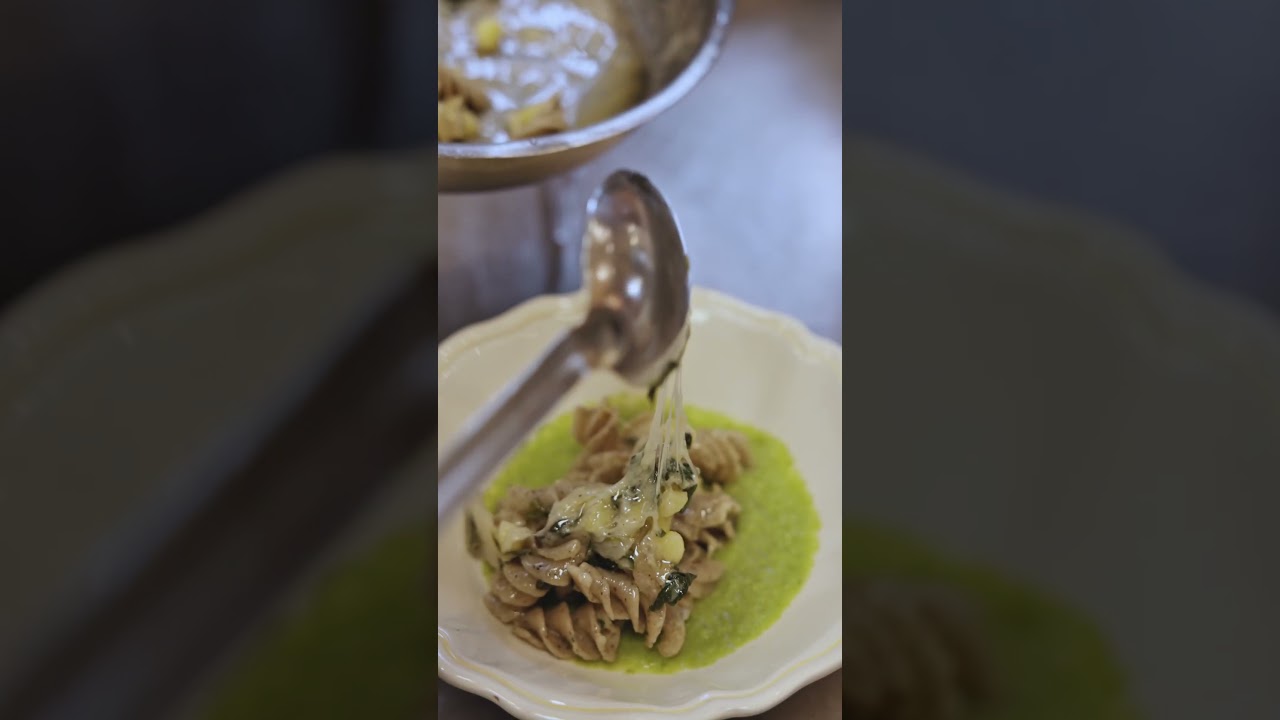
Norma-style pacchero with tender, flavorful purple eggplant.
Salted ricotta completes the dish with an intense savory note, creating a simple contrast between sweetness and saltiness.
Did you know
Inside the recipe
The name of this Catanese recipe appears to come from a comparison with one of the masterpieces of Italian music.
From the East to Sicilian cuisine
Before becoming a protagonist of Mediterranean cuisine, the aubergine travelled across continents and cultures.
Originally from Asia, it reached the Mediterranean through the Arab world and found one of its earliest Italian homes in Sicily. Over time, its soft flesh and ability to absorb seasonings and aromas made it one of the island’s most representative ingredients.
Did you know
For a long time, the aubergine was known as the “mad apple”: it was mistakenly believed that eating it could cause illness and alterations of the mind.
In brief
Originally from Asia
Brought to the Mediterranean through the Arab world
Among the first Eastern vegetables to reach Sicily
Soft flesh that absorbs seasoning
A central ingredient in Sicilian cuisine
A ricotta created to last
Salting transforms a fresh and delicate product into a firm, savoury ingredient suitable for ageing.
Ricotta salata belongs to an ancient Sicilian cheesemaking tradition. After production, it is salted and left to mature, sometimes for several weeks, on wooden boards or structures in natural environments. The gradual loss of moisture gives it a firm texture, ideal for grating over pasta.
Did you know
Ricotta salata also originated as a preservation method: salt and ageing extended the life of fresh ricotta, allowing it to be stored and used over time.
In brief
Part of the Sicilian cheesemaking tradition
Made by salting ricotta
Matured in natural environments
Firm and dry texture
An essential ingredient in Pasta alla Norma
A cheese shaped by time
There is a cheese that has been made for over eight centuries using the same methods, turning milk into one of the highest expressions of Italian craftsmanship.
Parmigiano Reggiano DOP originated in medieval Benedictine and Cistercian monasteries in the Po Valley. It is a completely natural cheese made from cow’s milk, without additives or preservatives. The long aging process develops a firm, granular structure and a complex aromatic profile.
In the Red Cows version, the milk has specific characteristics that enhance cheesemaking yield and aging potential. The result is a cheese with a fine, elastic grain and a balanced, persistent flavor, even after 24 months of aging.
Did you know
The Reggiana Red Cow breed dates back to the Middle Ages and played a key role in the early production of Parmigiano Reggiano.
In brief
Medieval origins in the Po Valley
Made from cow’s milk using traditional methods
Red Cows milk with higher cheesemaking quality
Minimum aging of 24 months
Balanced, persistent and complex flavor
Naturally produced without additives
The nutritionist says
A healthy, light and flavourful dish, suitable for everyone and characterised by fibre, vitamins, minerals, calcium and protein.
Spelt flour
comes from a highly nutritious ancient grain and provides B vitamins and fibre that stimulate the intestine. It contains less gluten than other grains and is therefore easier to digest, including for people with intolerances, but it is not suitable for people with coeliac disease.
Eggplants and tomatoes
aubergines are rich in potassium, while tomatoes provide vitamin C, lycopene and numerous antioxidants.
Parmigiano and ricotta salata
add calcium and high-quality proteins, helping to make the dish balanced and more filling.
Shopping list
Linguine with clams
with Sicilian lemon, mullet bottarga, and chives

Spicy Olive oil with garlic
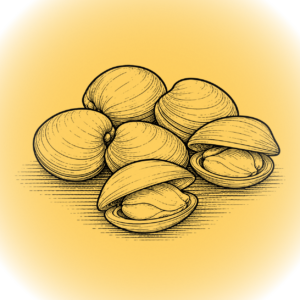
Clams

Linguina
Double milled durum wheat semolina
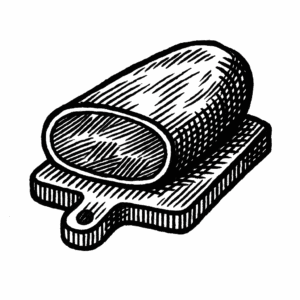
Mullet bottarga
Sicilian Lemon
Chives

Description
Linguine with clams
with Sicilian lemon, mullet bottarga, and chives
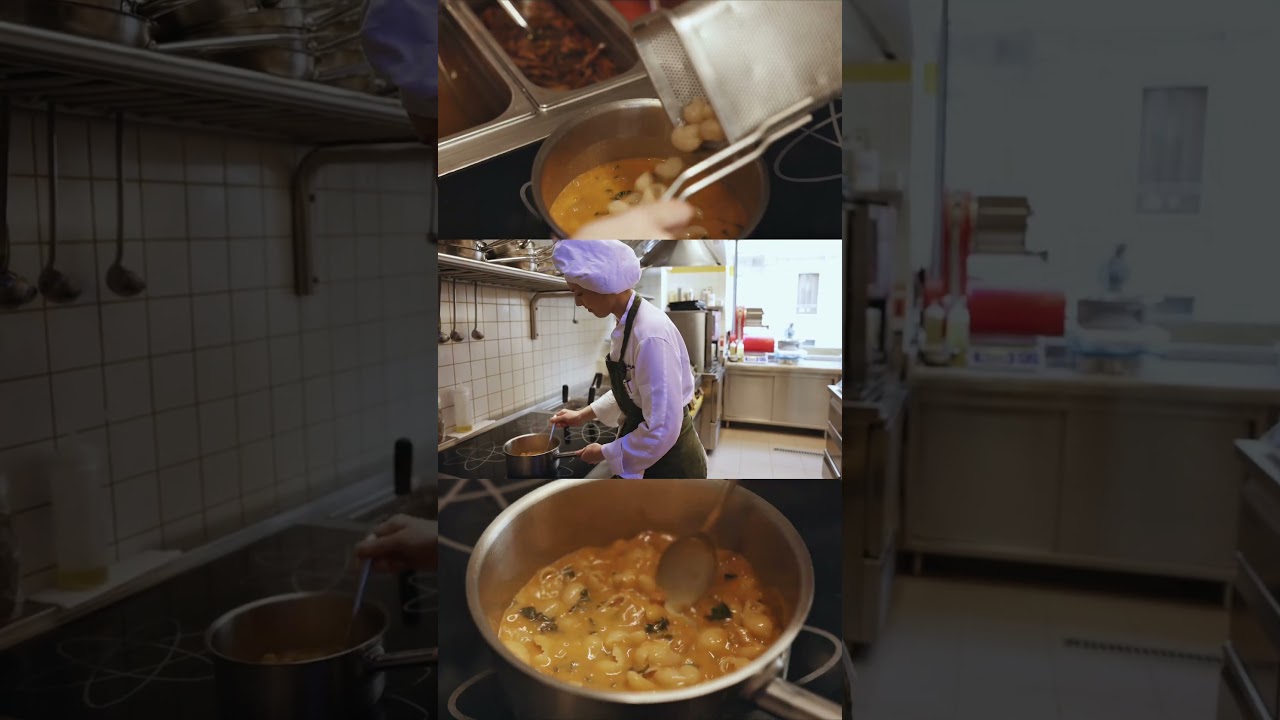
The scent of the sea and Sicilian lemon.
Linguine with clams, mullet bottarga, and Sicilian lemon. Chives add a fresh note, while the bottarga brings greater depth and savoriness.
Did you know
Inside the recipe
Because our ingredients have a story to tell
The sea beneath the sand
They live hidden beneath the seabed, connected to the water only through two small siphons.
The European grooved carpet shell lives buried in the sand and mud of coastal seabeds. It draws water in through one siphon, filtering out its food, and expels it through the other: a natural system that allows the clam to feed while remaining protected beneath the surface.
Did you know
Vongole veraci can live buried as deep as 15–20 centimetres beneath the seabed, with only the ends of their two siphons emerging from the sand.
In brief
Bivalve mollusc found on coastal seabeds
Lives buried in sand and mud
Connects to the water through two siphons
Feeds by filtering organic matter and phytoplankton
Delicate marine flavour
Flavour preserved in salt
Before becoming a thin slice or a savoury powder, bottarga is slowly processed in its whole form.
Bottarga di muggine is made from the fish’s roe sacs, traditionally known as baffe. Once removed, they are salted and dried, gradually developing a firm texture and a colour ranging from pale to dark amber. Bottarga can be served in thin slices or grated directly over a dish.
Did you know
The word “bottarga” comes from the Arabic buṭārikh, itself of Coptic origin: even its name reflects the long Mediterranean journey of this ancient preservation technique.
In brief
Made from grey mullet roe
Processed through salting and drying
Traditionally prepared as whole roe sacs
Colour ranges through different amber shades
Served sliced or grated
The fragrance of a landscape
In Sicily, lemons did not simply find an ideal climate: they helped reshape fields, gardens and entire landscapes.
Citrus cultivation has been part of the island’s agricultural history for centuries, supported by irrigation methods developed during Arab rule. By the 19th century, lemons had become one of the most important crops of the Conca d’Oro, transforming the countryside surrounding Palermo into an expanse of citrus groves.
Did you know
During the 19th century, the lemon was the most important agricultural species in the Conca d’Oro. The expansion of citrus groves became so extensive that it profoundly changed the landscape surrounding Palermo.
In brief
Cultivated in Sicily for centuries
Closely linked to the island’s citrus tradition
Peel rich in fragrance and essential oils
Fresh, aromatic acidity
Balances savoury and aged ingredients
The nutritionist says
An excellent choice for a light lunch that is rich in vitamins and minerals.
Double-milled durum wheat semolina
is an excellent carbohydrate, rich in potassium, iron and phosphorus. When combined with proteins such as those found in clams and bottarga, it is digested slowly and helps maintain a feeling of fullness for longer.
Clams and bottarga
are both very rich in minerals and Omega-3, important allies of the heart. Due to their high sodium content, they should be consumed in moderation by people with high cholesterol.
Lemon
its high potassium and vitamin C content provides antimicrobial and antitumour effects. In seafood recipes, it adds freshness and nutrients.
Chives
their calcium and magnesium content supports cardiovascular health and adds an extra touch of flavour to the dish.
Shopping list
Linguine with organic Parmigiano
Sicilian lemon, chives, and sturgeon caviar
Organic Parmigiano
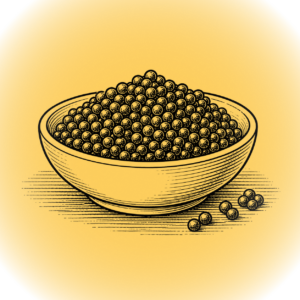
Sturgeon caviar
Linguina
Double-milled durum wheat semolina

Butter
Chives
Sicilian lemon

Description
Linguine with organic Parmigiano
Sicilian lemon, chives, and sturgeon caviar
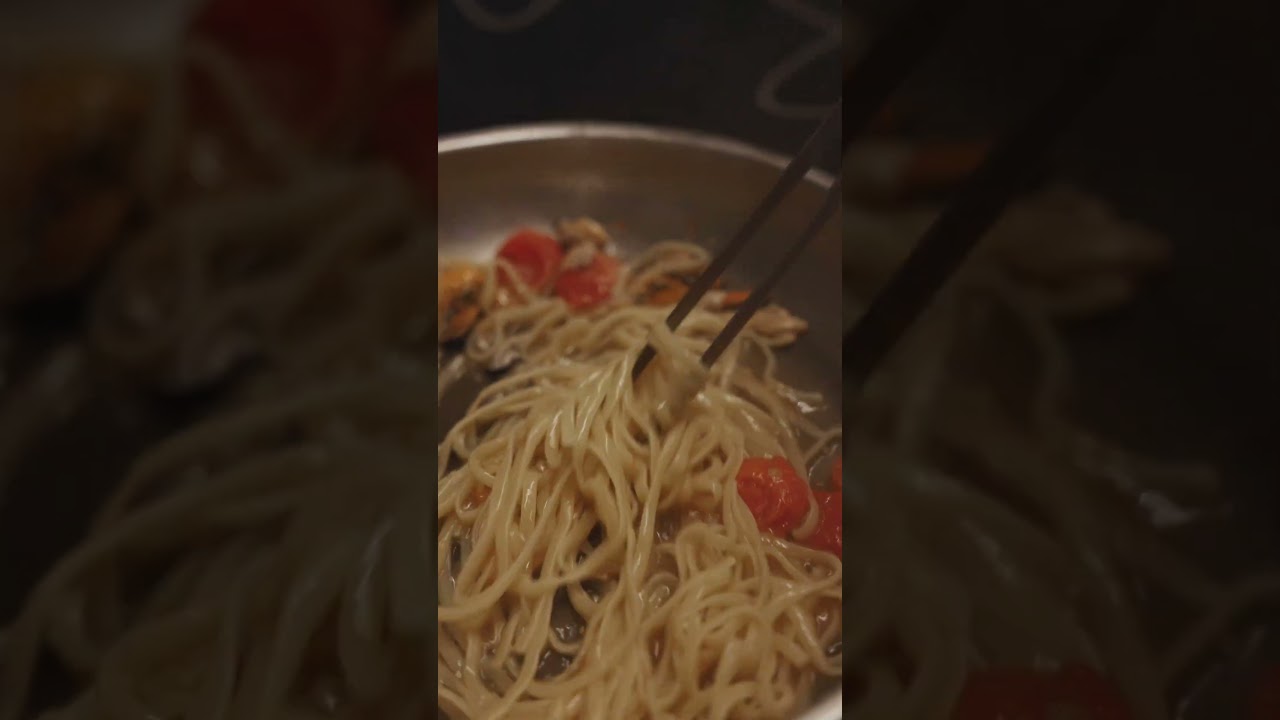
Creamy, fresh and savory.
Linguine coated in organic Parmigiano, with Sicilian lemon adding freshness and fragrance. Chives bring a delicate green note, while sturgeon caviar completes the dish with its distinctive briny flavor.
Did you know
Inside the recipe
Because our ingredients have a story to tell
Exclusive, as it's name is
Not all fish roe can be called caviar: the name belongs to the unfertilised eggs of sturgeon, processed with salt.
Caviar is made by carefully separating the eggs, which are then selected, rinsed and salted. Their size, colour and texture can vary according to the species of sturgeon, but the process must preserve the integrity of each individual egg and its characteristic balance of savoury and delicate notes.
Lo sapevi che
The word “caviar” derives from the Turkish havyar. The term is reserved for sturgeon roe: eggs obtained from other fish must be described using a different name.
In breve
Made from unfertilised sturgeon eggs
Processed through selection and salting
Delicate eggs preserved intact
Colour and size vary according to species
The name “caviar” is reserved for sturgeon roe
A cheese shaped by time
There is a cheese that has been made for over eight centuries using the same methods, turning milk into one of the highest expressions of Italian craftsmanship.
Parmigiano Reggiano DOP originated in medieval Benedictine and Cistercian monasteries in the Po Valley. It is a completely natural cheese made from cow’s milk, without additives or preservatives. The long aging process develops a firm, granular structure and a complex aromatic profile.
Did you know
Since 1964, the dotted inscription on the rind has been impressed using a marking band. It consists of 9,824 small dots and also records the dairy’s identification number and the production date. Since 2001, every wheel has also carried a casein plate with a unique identification code.
In brief
Medieval origins in the Po Valley
Made from cow’s milk using traditional methods
Minimum aging of 24 months
Balanced, persistent and complex flavor
Naturally produced without additives
Un formaggio che attraversa i secoli
C’è un formaggio che da oltre otto secoli viene prodotto con gli stessi gesti, negli stessi luoghi, trasformando il latte in una delle espressioni più alte della cultura casearia italiana.
Il Parmigiano Reggiano DOP nasce nei monasteri benedettini e cistercensi della Pianura Padana nel Medioevo. È un formaggio completamente naturale, ottenuto da latte vaccino senza l’uso di additivi o conservanti. La lavorazione segue ancora oggi metodi tradizionali, con una lunga stagionatura che ne sviluppa struttura e complessità aromatica.
Nella versione da Vacche Rosse di Razza Reggiana, il latte presenta caratteristiche particolari che favoriscono una migliore resa e una maggiore predisposizione alla lunga stagionatura. Il risultato è un formaggio dalla grana elastica e fine, con un sapore dolce, persistente e armonico, anche oltre i 24 mesi.
Lo sapevi che
La Razza Reggiana, dal tipico mantello rosso, era già presente nelle campagne emiliane nel Medioevo e il suo latte fu tra i primi utilizzati per produrre il Parmigiano Reggiano. In alcune rappresentazioni rinascimentali compare persino accanto alla Sacra Famiglia.
In breve
Origini medievali nei monasteri della Pianura Padana
Latte vaccino lavorato secondo metodi tradizionali
Versione Vacche Rosse con migliore resa casearia
Stagionatura minima 24 mesi
Sapore dolce, persistente e complesso
Formaggio naturale senza conservanti
The fragrance of a landscape
In Sicily, lemons did not simply find an ideal climate: they helped reshape fields, gardens and entire landscapes.
Citrus cultivation has been part of the island’s agricultural history for centuries, supported by irrigation methods developed during Arab rule. By the 19th century, lemons had become one of the most important crops of the Conca d’Oro, transforming the countryside surrounding Palermo into an expanse of citrus groves.
Did you know
During the 19th century, the lemon was the most important agricultural species in the Conca d’Oro. The expansion of citrus groves became so extensive that it profoundly changed the landscape surrounding Palermo.
In brief
Cultivated in Sicily for centuries
Closely linked to the island’s citrus tradition
Peel rich in fragrance and essential oils
Fresh, aromatic acidity
Balances savoury and aged ingredients
La nutrizionista dice
An excellent option for those who wish to indulge in a nutritious, refined and balanced pasta dish.
Double-milled durum wheat semolina and butter
remilled durum wheat semolina is a good source of carbohydrates. With the addition of butter, which is naturally lactose-free and rich in vitamins A, D, E and K and protein, it creates a balanced and flavourful recipe.
Sturgeon caviar
is an excellent source of Omega-3 fats, which are essential for our body.
Lemon zest
has a very high content of vitamin C and essential oils, which help digest the dense proteins found in caviar and Parmigiano.