Via_Pasteria / Kitchen /
Classic
Recipes
Choose your
favorite seasonal recipe
- Penne with Piennolo del Vesuvio DOP tomato sauce, semi-aged Val d’Orcia pecorino, and basil
- Fusilli with Bolognese ragù, Piennolo del Vesuvio DOP tomato sauce, and Grana Padano DOP
- Maccheroni alla carbonara with aged Roman guanciale and Pecorino Romano DOP
- Spaghetti with pesto, Grana Padano and Pecorino Romano DOP, organic Valpesa extra virgin olive oil, confit cherry tomatoes, and toasted pine nuts
Shopping List
Penne with tomato sauce
with Piennolo del Vesuvio DOP tomatoes, pecorino from Val D’Orcia and basil

Olive oil

Garlic in its skin

Basil

Penne
Wholegrain Altograno and double-milled semolina
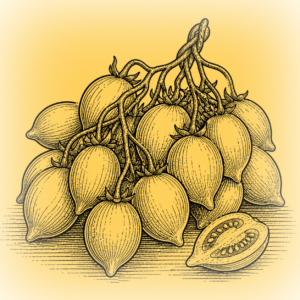
Piennolo tomato sauce
Vegetable broth

Grana Padano
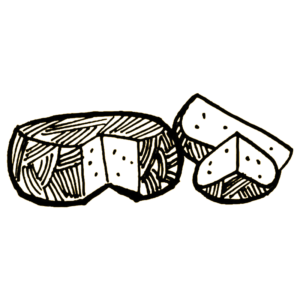
Val d’Orcia pecorino

Descrizione
Penne with tomato sauce
with Piennolo del Vesuvio DOP tomatoes, pecorino from Val D’Orcia and basil

Simplicity, when done right, needs nothing else.
Al dente penne coated in sweet, concentrated Piennolo del Vesuvio DOP tomato. Semi-aged Val d’Orcia pecorino adds structure and savory depth, while fresh basil finishes with a bright green note. Essential, clean, no distractions.
Did you know
Inside the recipe
Because our ingredients have a story to tell
The tomato born from a volcano
There is a small tomato that grows on the slopes of Mount Vesuvius, where volcanic soil and strong temperature variations shape a fruit with intense and distinctive character.
The Piennolo del Vesuvio tomato is recognizable by its elongated oval shape with a pointed tip. Its skin is thick and firm, the flesh compact and highly aromatic. The flavor balances pronounced sweetness with a distinctive acidic finish, due to its high concentration of sugars and organic acids. The lava-rich soil, abundant in potassium and sulfur, gives the fruit its natural mineral savoriness and vibrant deep red color.
Its introduction to Campania dates back to 1759, when the Viceroy of Peru presented it to King Ferdinand IV of Naples at his coronation. Planted on the slopes of Vesuvius, it adapted perfectly to the environment and developed the qualities that today make it one of Italy’s gastronomic excellences. In 2009 it received DOP status, guaranteeing its authenticity.
Did you know
The name “piennolo” comes from the traditional practice of tying the tomato clusters into hanging bunches. According to legend, the custom began with fishermen’s wives who, accustomed to weaving fishing nets, started intertwining tomato branches as well.
In brief
Grown exclusively in the Vesuvian area
Volcanic soil rich in minerals
Natural balance of sweetness and acidity
DOP status since 2009
Traditionally stored in woven hanging clusters
A cheese that tastes of Tuscan hills
There is a cheese born among the rolling hills and clay landscapes of Val d’Orcia, where the territory directly shapes the aromatic profile of the milk and reflects a rural Tuscany defined by wind, silence and slow seasons.
Pecorino from Val d’Orcia is made from whole sheep’s milk sourced from local farms. The sheep graze on wild herbs, meadow flowers and regional forage, contributing to a fragrant and expressive milk. Production follows traditional methods: natural rennet coagulation, manual shaping and dry salting or brining. Aging can range from a few weeks for younger versions to several months for more structured expressions.
The texture is compact yet soft when young, becoming more crumbly and intense over time. The flavor is balanced, with milky and vegetal notes and a gentle spiciness in longer-aged cheeses.
Did you know
In the past, some wheels were aged in ash or wrapped in leaves to protect them during maturation. Certain producers still preserve techniques inspired by these traditional methods.
In brief
Made from whole local sheep’s milk
Sheep graze on native herbs and forage
Traditional production with natural rennet
Aging from a few weeks to several months
Flavor ranges from delicate to more intense with maturation
A great cheese from the Po Valley
There is a hard cheese born in the monasteries of the Po Valley in the 12th century, created to preserve surplus milk and destined to become one of Italy’s most iconic cheeses.
Grana Padano DOP is made from partially skimmed cow’s milk sourced from the Po Valley. The curd is broken into very fine granules — hence the name “grana” — and aged for a minimum of 9 months, often much longer. The result is a compact, grainy and crumbly texture with a balanced flavor between sweet and savory, featuring notes of dried fruit and broth. In cooking, it acts as a structural element: it binds, enhances and completes without overpowering.
Lo sapevi che
Grana Padano was originally conceived as a preservation cheese: long aging allowed communities to transform fresh milk into a durable and valuable food source.
In breve
Originated in the 12th century in the Po Valley
Made from partially skimmed cow’s milk
Curd broken into very fine granules
Minimum aging of 9 months
Hard, grainy and crumbly texture
The nutritionist says
A light and balanced dish, ideal for a flavorful meal that provides energy without being heavy.
Wholegrain Altograno, double-milled durum wheat semolina
Altograno flour, made from the wheat germ, contains significantly more protein and fiber than traditional flours. It is naturally lower in gluten and richer in minerals such as magnesium, zinc, and phosphorus, as well as vitamin B1, which is essential for metabolism and the nervous system.
Piennolo tomato
Tomato sauce has a very high concentration of lycopene (even higher than fresh tomatoes), a powerful antioxidant with protective properties against cancer, cardiovascular disease, and oxidative stress.
Val D'Orcia Pecorino
The addition of pecorino provides high-quality, easily digestible proteins and fats, creating a dish that is not only delicious but also well balanced.
Shopping List
Fusillo with Bolognese ragù
with Piennolo tomatoes and Grana Padano DOP
Olive Oil
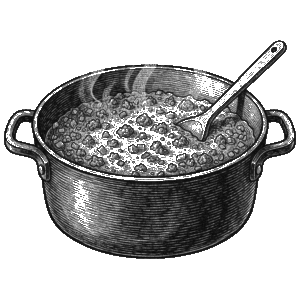
Bolognese ragù
Vegetable broth

Fusillo
Buckwheat and double-milled semolina
Piennolo tomato sauce

Butter
Grana Padano DOP

Description
Fusillo with Bolognese ragù
with Piennolo tomatoes and Grana Padano DOP
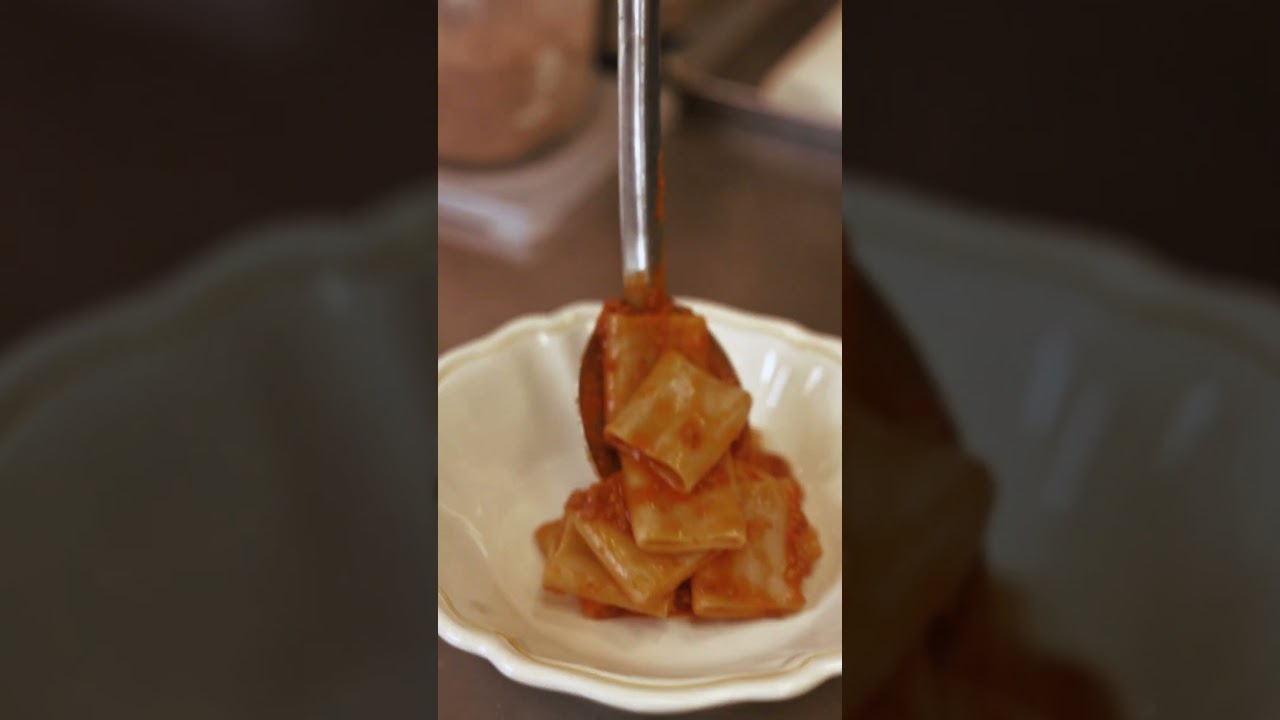
Time is the ingredient that makes the difference.
Fusillo pasta coated in a slow-cooked, aromatic Bolognese ragù, made with Piennolo del Vesuvio DOP tomatoes for a rich, rounded flavor. Grana Padano DOP finishes with a smooth note that ties everything together. Substance, depth, tradition.
Did you know
Inside the recipe
Because our ingredients have a story to tell
A slow cooking that became identity
There is a sauce that takes its time, built on patient simmering and carefully selected ingredients, and that has become a symbol of Italian cuisine.
Our ragù simmers gently for three hours over a base of onion, celery and carrot. We use first-choice minced beef and pork sourced exclusively from Italian farms. The prolonged simmering develops a deep umami flavor. The natural sweetness of the soffritto balances the acidity of the wine and the aromatic depth of Piennolo tomatoes. A small knob of butter added at the end harmonizes the sauce, making it dense and enveloping. Rosemary and bay leaf complete the aromatic profile.
The word ragù derives from the French ragout, referring to medieval slow-cooked stews. Tomato became a stable ingredient only between the late 18th and early 20th centuries, shaping the modern ragù.
Did you know
In 1891 Pellegrino Artusi described “Maccheroni alla bolognese” without tomato. The consistent use of tomato became standard only in the early 20th century.
In brief
Slow cooking for about three hours
Soffritto base of onion, celery and carrot
First-choice Italian beef and pork
Balance of sweetness, acidity and umami
Thick and enveloping texture
Aromatic notes of rosemary and bay leaf
The tomato born from a volcano
There is a small tomato that grows on the slopes of Mount Vesuvius, where volcanic soil and strong temperature variations shape a fruit with intense and distinctive character.
The Piennolo del Vesuvio tomato is recognizable by its elongated oval shape with a pointed tip. Its skin is thick and firm, the flesh compact and highly aromatic. The flavor balances pronounced sweetness with a distinctive acidic finish, due to its high concentration of sugars and organic acids. The lava-rich soil, abundant in potassium and sulfur, gives the fruit its natural mineral savoriness and vibrant deep red color.
Its introduction to Campania dates back to 1759, when the Viceroy of Peru presented it to King Ferdinand IV of Naples at his coronation. Planted on the slopes of Vesuvius, it adapted perfectly to the environment and developed the qualities that today make it one of Italy’s gastronomic excellences. In 2009 it received DOP status, guaranteeing its authenticity.
Did you know
The name “piennolo” comes from the traditional practice of tying the tomato clusters into hanging bunches. According to legend, the custom began with fishermen’s wives who, accustomed to weaving fishing nets, started intertwining tomato branches as well.
In brief
Grown exclusively in the Vesuvian area
Volcanic soil rich in minerals
Natural balance of sweetness and acidity
DOP status since 2009
Traditionally stored in woven hanging clusters
A great cheese from the Po Valley
There is a hard cheese born in the monasteries of the Po Valley in the 12th century, created to preserve surplus milk and destined to become one of Italy’s most iconic cheeses.
Grana Padano DOP is made from partially skimmed raw cow’s milk sourced from the Po Valley region. The curd is broken into tiny granules — hence the name “grana” — and aged for a minimum of 9 months, often much longer. The result is a compact, grainy and crumbly texture with a balanced flavor between sweet and savory, featuring notes of dried fruit and broth. Fire-branding guarantees its Protected Designation of Origin.
Its introduction to Campania dates back to 1759, when the Viceroy of Peru presented it to King Ferdinand IV of Naples at his coronation. Planted on the slopes of Vesuvius, it adapted perfectly to the environment and developed the qualities that today make it one of Italy’s gastronomic excellences. In 2009 it received DOP status, guaranteeing its authenticity.
Did you know
Grana Padano was originally conceived as a preservation cheese: long aging allowed communities to transform fresh milk into a durable and valuable food source.
In brief
Originated in the 12th century in Cistercian monasteries
Made from partially skimmed raw cow’s milk
Curd broken into very fine granules
Minimum aging of 9 months
Hard, grainy and crumbly texture
Balanced flavor with nutty notes
The nutritionist says
A hearty and nourishing dish, ideal when a filling pasta meal is desired.
Spelt flour
rich in fiber and minerals such as potassium, phosphorus and calcium; supports digestion and metabolic balance.
Ragù sauce
dense in protein, iron, minerals and vitamin B12, essential for the nervous system.
Butter in the final emulsification
adds creaminess but also increases the fat and protein content of the dish.
Shopping List
Maccheroni carbonara
with Roman guanciale and pecorino DOP
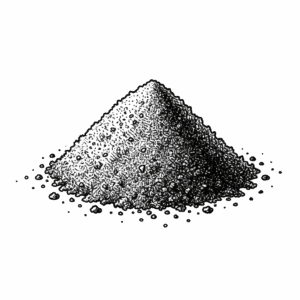
Ground black pepper
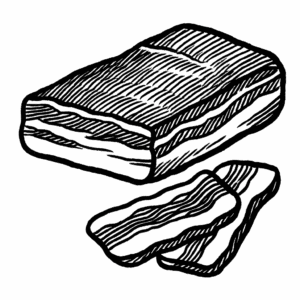
Aged Roman guanciale

Maccheroni
Superior durum wheat semolina
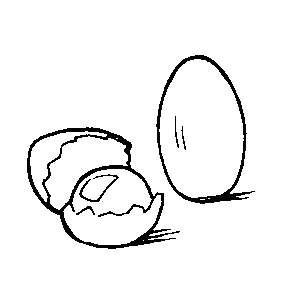
Egg yolk
Vegetable broth
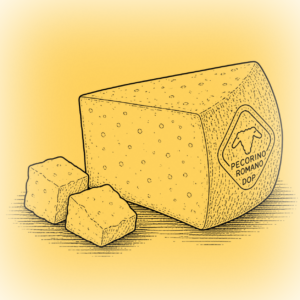
Grated pecorino

Description
Maccheroni carbonara
with Roman guanciale and pecorino DOP

An icon of Roman cuisine, true to tradition.
Maccherone pasta tossed with egg yolk, Pecorino Romano DOP, and freshly ground black pepper. Aged Roman guanciale releases deep, smoky aromas that embrace the dish. Authentic, balanced, and full of character.
Lo sapevi che
Inside the recipe
Because our ingredients have a story to tell
The cut that defines carbonara
There is a cured meat that is neither pancetta nor bacon: it comes from the pork cheek and is slowly aged, with a fat composition that makes it unique when cooked.
Roman guanciale is made from pork jowl, cured with salt, pepper and sometimes herbs. Aging typically lasts two to three months. When heated, it slowly renders its rich fat, which becomes part of the sauce. The exterior turns crisp while the interior remains tender, adding depth and structure.
Lo sapevi che
Unlike pancetta, guanciale contains a higher ratio of creamy fat and less muscle fiber, making it essential for authentic carbonara.
In brief
Made from pork jowl
Aged for about 2–3 months
High percentage of rich fat
Crispy outside, tender inside when cooked
Essential ingredient of authentic carbonara
A cheese as ancient as Rome
There is a cheese that has accompanied Roman history for over two thousand years, created to nourish armies and built to last.
Pecorino Romano was served at imperial banquets and was part of the daily ration of Roman legionaries — about 27 grams per day. Its long shelf life made it ideal for travel. Though historically linked to Lazio, since the late 19th century most production has taken place in Sardinia, strengthening its pastoral tradition and export growth.
Did you know
Production shifted largely to Sardinia after 1884, when salting cheese within Rome was prohibited, leading to significant export development.
In brief
Ancient origins dating back to Roman times
Part of legionaries’ daily ration
Long shelf life
Today mainly produced in Sardinia
The nutritionist says
A rich and energy-dense dish, ideal when extra energy is needed. The version with guanciale is more intense and protein-rich, while the zucchini variation is lighter and easier to digest.
Durum wheat semolina
retains antioxidant and anti-inflammatory properties, although it contains less fiber than whole-grain flour.
Guanciale
provides protein but also a high amount of saturated fats; best consumed in moderation, but suitable after intense physical activity.
Eggs and pecorino
contribute to the protein content and provide essential vitamins and minerals.
Zucchini
a lighter alternative that adds fiber and moisture, making the dish more balanced and digestible.
La lista della Spesa
Spaghetti with basil pesto
Grana Padano and pecorino Romano DOP, organic extra virgin olive oil, confit tomatoes and toasted pine nuts
Extra Virgin Olive oil
Grana Padano DOP
Basil pesto

Spaghetti
Senatore Cappelli double-milled semolina
Pecorino Romano DOP
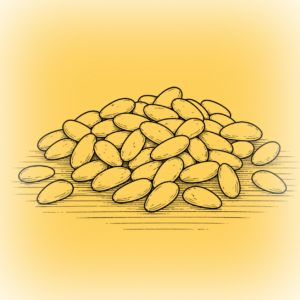
Toasted pine nuts
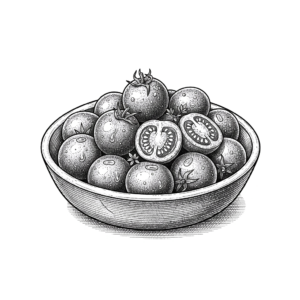
Confit tomatoes

Description
Spaghetti with basil pesto
Grana Padano and pecorino Romano DOP, organic extra virgin olive oil, confit tomatoes and toasted pine nuts

Basil, tomato and toasted pine nuts.
Smooth spaghetti coated in a fragrant basil pesto, enriched with Grana Padano and Pecorino Romano DOP for depth. Organic Valpesa extra virgin olive oil ties it all together, while confit cherry tomatoes and toasted pine nuts bring sweetness and crunch. Clean balance, full flavor.
Did you know
Inside the recipe
Because our ingredients have a story to tell
Basil pesto: a sauce defined by its gesture
There is a sauce named not after its ingredients, but after the way it is made: a slow, precise gesture that transforms a few elements into perfect balance.
Pesto is prepared raw by crushing fresh basil, extra virgin olive oil, pine nuts and aged cheeses in a mortar. The result is a dense, creamy and slightly coarse texture where each ingredient remains distinct. The aroma is led by basil — intense yet delicate — while the flavor balances the sweetness of herbs and pine nuts with the savory depth of the cheeses and a subtle peppery note from the oil.
Its origins can be traced back to ancient Mediterranean crushed sauces, such as the Roman moretum, described by Virgil. Over time, olive oil replaced other binding elements and basil became the defining ingredient, shaping the Ligurian pesto we know today, formally recorded in the 19th century.
Did you know
Basil should never be finely chopped: in traditional preparation it is gently crushed to preserve the essential oils that define its aroma and flavor.
In brief
Raw sauce originating from Liguria
Traditionally made using a mortar
Made with basil, olive oil, pine nuts and aged cheeses
Creamy, slightly coarse texture
Balanced between sweet, savory and aromatic notes
The nutritionist says
A well-balanced and complete dish, combining energy, healthy fats and micronutrients while maintaining overall lightness.
Senatore Cappelli double-milled durum wheat semolina
made from an ancient Italian wheat variety, is of outstanding quality. It is rich in B vitamins, highly digestible, and naturally lower in gluten than modern wheat varieties.
Basil
rich in antioxidants with anti-inflammatory and antibacterial properties; provides vitamins A, C and K, as well as minerals such as iron, calcium and potassium.
Pine nuts and almonds
sources of unsaturated fats, vitamin E and B vitamins, supporting cardiovascular health.
provide protein and calcium, contributing to the nutritional balance of the dish.
sources of unsaturated fats, vitamin E and B vitamins, supporting cardiovascular health.
Confit tomatoes
contribute natural sugars and add to the overall energy content of the dish.